But did you know this national observance has only been around for 36 years?
On August 3, 1990, President George H. W. Bush signed Public Law 101-343, officially designating November as National American Indian Heritage Month.
But this recognition didn't happen overnight.
It took years of advocacy and dedication to go from recognizing a single day to an entire week, and eventually, a whole month.
So, who were the people behind this movement, and how did they help make it happen?
Let's take a trip down memory lane and meet the faces who helped make Native American Heritage Month possible!
A Brief History of Native American Heritage Month
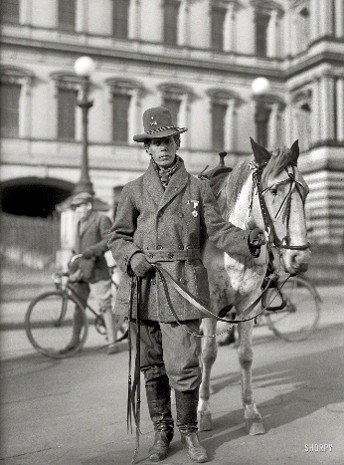
1914–1915 – The movement begins: Red Fox James traveled 4,000 miles on horseback, gathering state endorsements for a day honoring Native Americans. In December 1915, he presented 24 state endorsements to the White House. 1916 – First state observance: New York became the first state to recognize American Indian Day. 1919 – Illinois joins: Illinois legislators passed a bill recognizing American Indian Day. 1976 – A week of recognition: Congress authorized Native American Awareness Week. 1986 – National recognition: President Ronald Reagan proclaimed November 23–30 as American Indian Week. 1990 – A month is established: President George H. W. Bush designated November as National American Indian Heritage Month. 2009 – Native American Heritage Day: President Barack Obama established the Friday after Thanksgiving as Native American Heritage Day.
Native Americans Making History
Red Fox James
Thanks to advocates like Red Fox James, the movement for Native American recognition has come a long way.
But Native American history isn't just part of the past, it's still being made today!
From entertainment and politics to science, education, and sports, Indigenous people continue to break barriers and make their mark. Some names may be familiar, while others may be new to you. Either way, their stories deserve to be told!
Let's shift our focus to the present and meet some of today's remarkable Native American changemakers!
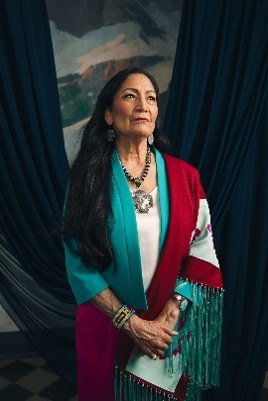
Deb Haaland
Deb Haaland, a member of the Laguna Pueblo tribe, served as the 54th U.S. Secretary of the Interior from 2021 to 2025.
She made history as the first Native American cabinet secretary and one of the first two Native American women elected to Congress in 2018, alongside Sharice Davids.
Throughout her career, she has championed Indigenous communities, tribal sovereignty, environmental protection, and the preservation of Native lands.
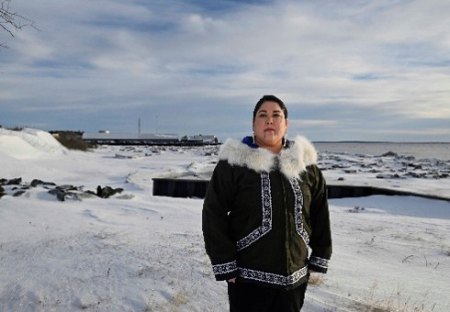
Alannah Acaq Hurley, a Yup’ik leader and executive director of the United Tribes of Bristol Bay, led a campaign representing 15 tribal nations that helped stop the proposed Pebble Mine in Alaska.
Her efforts contributed to a historic EPA veto in January 2023, protecting Bristol Bay’s 25-million-acre watershed and the world’s largest wild salmon runs.
Want to enjoy and learn about the history, voices and actions that pave the way for environmental protection?
Take a visit to the American Indian Center, Located in Chicago at 3401 W. Ainslie St., Chicago, IL 60625, the American Indian Center offers informative programming and entertainment.
You can also volunteer with them to help uplift Native voices. Every Tuesday and Thursday, from 4 to 7 p.m., you can join their FREE open beadwork class!